The oil and gas industry plays a pivotal role in powering economies and fueling our modern way of life. At the heart of this industry lies oilfield drilling, a complex and sophisticated process that involves accessing and extracting valuable resources buried deep within the Earth’s crust. Among the critical components driving this process are oilfield drill bits – powerful tools designed to cut through rock formations and reach these hidden reservoirs. In this blog, we will explore five essential things you need to know about oilfield drilling, with a focus on the indispensable role of oilfield drill bits.


1. Exploration and Site Selection:

Oilfield drilling begins with thorough exploration and site selection. Geologists and geophysicists conduct extensive surveys to identify potential oil and gas reserves beneath the Earth’s surface. Advanced technologies, such as seismic imaging and 3D modeling, are used to map subsurface structures and detect potential reservoirs.

Once a promising site is identified, a drilling location is carefully chosen based on geological data, proximity to existing infrastructure, and regulatory considerations. This critical step lays the groundwork for successful drilling operations.


2. Drilling Rig Types:

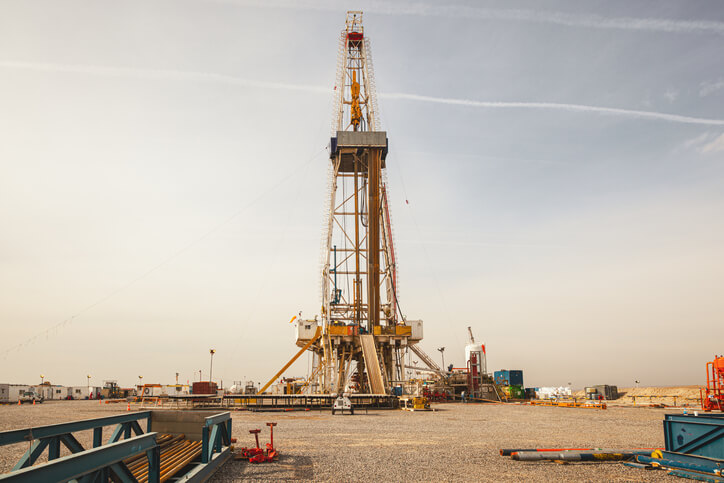
Drilling rigs are specialized structures that house the equipment required for the drilling process. There are two main types of drilling rigs used in the oil and gas industry:


a. Onshore Drilling Rigs: 

Onshore drilling rigs are located on land and are more cost-effective to set up than their offshore counterparts. They are used for drilling wells that originate on land and can be moved from site to site as needed.


b. Offshore Drilling Rigs: 

Offshore drilling rigs are situated in bodies of water, such as oceans or seas, and are used to drill wells in underwater locations. They come in various configurations, including fixed platforms, jack-up rigs, semi-submersibles, and drillships, each suited for specific water depths and environmental conditions.


3. The Role of Oilfield Drill Bits:

Oilfield drill bits are the workhorses of the drilling process. These robust tools are attached to the bottom of the drill string and are responsible for cutting through rock formations. The drill bits come in various types, such as roller cone bits, PDC bits, and tricone bits, each designed for different geological conditions and drilling scenarios.

As the drill string rotates, the oilfield drill bit grinds and crushes the rock below, creating a borehole that allows access to the oil or gas reservoir. The efficiency and durability of the drill bit are crucial for the success of the drilling operation.


4. The Use of Drilling Fluids:

Drilling fluids, commonly known as “mud,” are an integral part of oilfield drilling. These specialized fluids serve multiple purposes, including:


Cooling and Lubrication: 

Drilling generates significant heat due to friction between the drill bit and the rock. Drilling fluids help cool and lubricate the drill bit, preventing overheating and reducing wear.

Rock Cuttings Removal: 

As the drill bit cuts through the rock, it generates cuttings that need to be removed from the borehole. Drilling fluids carry these cuttings to the surface, allowing for smooth and continuous drilling.


Wellbore Stability: 

Drilling fluids create hydrostatic pressure that counters the natural pressure of the surrounding rock formations, preventing the borehole from collapsing and maintaining wellbore stability.


Formation Evaluation: 

The drilling fluids carry valuable information about the subsurface formations. Analysis of the drilling fluids’ properties helps geologists and engineers assess the reservoir’s potential and characteristics.


5. Environmental Considerations:

Oilfield drilling, both onshore and offshore, is subject to strict environmental regulations and considerations. Environmental impact assessments are conducted before drilling operations commence, ensuring that potential risks are identified and mitigated.

Measures are implemented to protect local ecosystems, water sources, and wildlife habitats. Proper disposal and management of drilling fluids and cuttings are essential to prevent pollution and minimize ecological disturbances.


Knowledge is Power


Oilfield drilling is a complex and sophisticated process that involves thorough exploration, well-planned site selection, and the use of specialized drilling equipment like oilfield drill bits. From onshore to offshore drilling, each stage requires precision, expertise, and adherence to environmental regulations. The efficiency and effectiveness of oilfield drill bits are paramount in extracting valuable resources and driving the success of the oil and gas industry. As technology advances, oilfield drilling continues to evolve, ensuring a sustainable and responsible approach to meeting the world’s energy needs.


At Trendon Bit Service Ltd, we supply customers with everything it takes to run a successful drilling operation, right from our headquarters in Calgary, Alberta. We manufacture, supply, and service PDC drill bits, Tricone drill bits, and reamers, so that you can depend on us for everything oil drilling. When it comes to Trendon, we pride ourselves in providing expertly constructed tools that last; our oil drilling bits are the highest quality in the market – and so are our oil rig bit maintenance services., because we want to ensure that your oil drilling bits are kept in top condition. At Trendon Bit Service Ltd, our staff will help you find the best oilfield drilling bits for your project – and fast! For quick, efficient, and expert service, call Trendon at 403-536-2770.
Drilling is a complex and critical process in the oil and gas industry, and its success heavily depends on the efficient use of oilfield drill bits. These specialized tools are at the forefront of exploration and production operations, penetrating through various geological formations to unlock valuable oil and gas reserves. In this comprehensive guide, we will delve into the secrets of successful drilling using oilfield drill bits, covering essential tips, best practices, and key factors to consider to optimize your drilling operations.


1. Choose the Right Oilfield Drill Bit:

Selecting the appropriate oilfield drill bit is the foundation of successful drilling operations. As mentioned earlier, various factors such as geological formations, drilling objectives, and drilling environments influence the choice of drill bits. Consider the specific demands of your project and choose a drill bit that aligns with your drilling objectives, ensuring efficient and productive drilling.


2. Conduct a Thorough Site Analysis:

Before commencing drilling, conduct a thorough site analysis to understand the geological composition of the area. Knowledge of the rock formations and potential challenges you might encounter allows you to select the most suitable drill bit with the right cutting elements and design for the specific conditions.


3. Optimize Drilling Parameters:

Drilling parameters, including rotation speed, weight on bit, and drilling fluid properties, greatly influence the performance of oilfield drill bits. It is crucial to optimize these parameters based on the drilling conditions and the chosen drill bit type to ensure efficient penetration and reduce wear on the drill bit.


4. Maintain Bit Hygiene and Inspection:

Regular maintenance and inspection of oilfield drill bits are essential to maximize their lifespan and performance. After each drilling run, clean the drill bit thoroughly to remove debris and drilling mud that can hinder performance. Additionally, conduct thorough inspections to identify any signs of wear or damage that might require corrective action.


5. Implement Effective Cooling and Lubrication:

Heat generated during drilling can impact the performance and durability of the drill bit. Implement effective cooling and lubrication systems to dissipate heat and reduce friction, preventing premature wear and prolonging the life of the drill bit.


6. Utilize Advanced Drilling Technologies:

Advancements in drilling technologies, such as real-time data monitoring and downhole sensors, provide valuable insights into drilling performance and the condition of the drill bit. Leveraging these technologies helps optimize drilling operations and allows for proactive measures to be taken in response to changing drilling conditions.


7. Prioritize Safety and Environmental Considerations:

Safety should always be a top priority in drilling operations. Ensure that all personnel involved are well-trained and follow best safety practices. Additionally, consider the environmental impact of drilling and take necessary precautions to minimize disturbances to the surrounding ecosystem.


8. Monitor and Analyze Drilling Performance:

Continuous monitoring and analysis of drilling performance are vital to identify potential issues and optimize drilling efficiency. Keep track of drilling parameters, drilling rate, and bit wear, and use this data to make informed decisions regarding bit selection and drilling practices.


9. Implement Proper Bit Retrievability Measures:

In some cases, bit retrieval can become challenging, especially in deviated or horizontal wells. Implement proper bit retrievability measures to prevent leaving the drill bit in the wellbore, reducing costly fishing operations and potential damage to the wellbore.


10. Seek Expert Advice and Collaboration:

When faced with complex drilling challenges, do not hesitate to seek expert advice or collaborate with specialists and drill bit manufacturers. Their expertise and insights can prove invaluable in optimizing drilling performance and overcoming obstacles.


Keep These Tips for Success


Mastering the art of drilling with oilfield drill bits is a combination of selecting the right tool, optimizing drilling parameters, and embracing advanced technologies. By conducting thorough site analysis, prioritizing safety and environmental considerations, and monitoring drilling performance, you can ensure successful drilling operations in the oil and gas industry. Remember that drill bit maintenance, proper retrievability measures, and collaboration with experts all contribute to achieving efficient and productive drilling, unlocking the vast potential of oil and gas reserves beneath the Earth’s surface.

At Trendon Bit Service Ltd, we supply customers with everything it takes to run a successful drilling operation, right from our headquarters in Calgary, Alberta. We manufacture, supply, and service PDC drill bits, Tricone drill bits, and reamers, so that you can depend on us for everything oil drilling. When it comes to Trendon, we pride ourselves in providing expertly constructed tools that last; our oil drilling bits are the highest quality in the market – and so are our oil rig bit maintenance services., because we want to ensure that your oil drilling bits are kept in top condition. At Trendon Bit Service Ltd, our staff will help you find the best oilfield drilling bits for your project – and fast! For quick, efficient, and expert service, call Trendon at 403-536-2770.
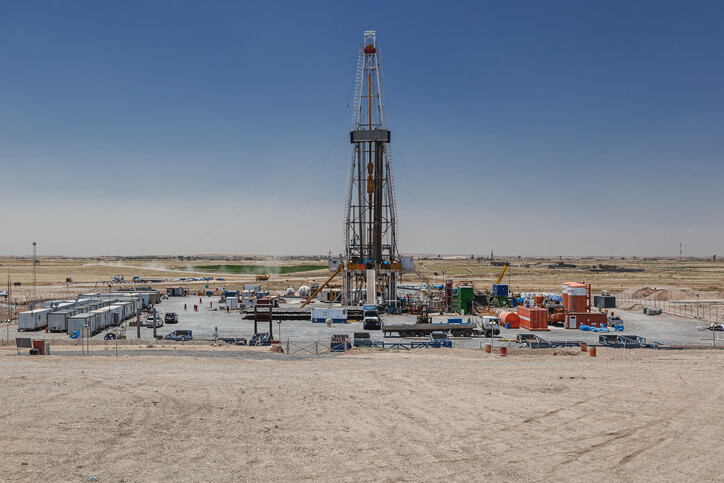
In the oil and gas industry, the extraction of valuable resources relies on the expertise and efficiency of drilling operations. Central to these operations are oilfield drill bits – the powerful tools responsible for penetrating the Earth’s crust to reach the hidden reservoirs of oil and gas. Understanding how these drill bits work is crucial in comprehending the complexities involved in oil exploration. In this blog, we will unravel the mechanics of oilfield drill bits and shed light on the processes that enable them to extract precious resources deep within the Earth.


1. The Anatomy of an Oilfield Drill Bit:

Oilfield drill bits are specialized components designed to create boreholes in the Earth’s surface during drilling operations. These bits are typically made of high-strength steel, which provides the necessary durability and strength to endure the harsh drilling conditions. The cutting surfaces of the drill bit are adorned with tungsten carbide inserts or diamond cutters, strategically positioned to facilitate efficient drilling through rock formations.


2. The Rotational Action:

The primary mode of operation for oilfield drill bits is rotary drilling. In this process, the drill bit is attached to the bottom of the drill string, which consists of interconnected drill pipes. The drill string extends down the borehole, transmitting rotational force from the drilling rig’s rotary table to the drill bit at the bottom.


As the drill string rotates, the drill bit’s cutting surfaces make contact with the rock formations below. The combination of the downward force exerted by the weight of the drill string (known as weight on bit) and the rotational force causes the drill bit to grind and cut through the rock.


3. The Role of Drilling Fluids:

Drilling fluid, commonly known as “mud,” plays a vital role in the drilling process. It serves multiple purposes, including cooling and lubricating the drill bit, removing rock cuttings from the borehole, and preventing the borehole from collapsing. Additionally, drilling fluids create a hydrostatic pressure that counters the natural formation pressure, preventing blowouts and other drilling-related accidents.


The drilling fluid is pumped down the drill string and passes through the hollow center of the drill bit, reaching the cutting surfaces. It then flows back up the borehole, carrying rock cuttings with it. Once at the surface, the drilling fluid passes through a series of equipment, including shale shakers and desanders, to separate the cuttings from the fluid, allowing it to be recycled for further use.


4. Types of Oilfield Drill Bits:

There are various types of oilfield drill bits, each designed for specific drilling conditions and geological formations. Some common types include:


a. Roller Cone Bits: 

These bits have three cones with rows of teeth or inserts that crush and chip away at the rock as they rotate. Roller cone bits are versatile and can handle different formations, making them widely used in various drilling operations.


b. PDC (Polycrystalline Diamond Compact) Bits: 

PDC bits have diamond-studded cutters, which offer exceptional durability and efficiency in drilling through hard rock formations. They are particularly effective in unconventional drilling environments.


c. Tricone Bits: 

Similar to roller cone bits, tricone bits have three cones with various tooth designs. These bits are well-suited for softer formations and offer good performance in certain drilling scenarios.


d. Drag Bits: 

Drag bits are simple and rugged, with no moving parts. They are primarily used in softer formations and are an economical choice for shallow drilling operations.


5. Downhole Sensors and Data Collection:

Advancements in technology have introduced downhole sensors and data collection systems that provide real-time information about the drilling process. These sensors, often integrated into the drill bit or near the bit, measure various parameters such as weight on bit, drilling torque, and vibration. The data collected helps operators optimize drilling performance, make informed decisions, and detect potential issues, ensuring the drilling process remains safe and efficient.


6. Directional and Horizontal Drilling:

In addition to vertical drilling, which involves drilling straight down, oilfield drill bits are instrumental in directional and horizontal drilling. Directional drilling allows operators to alter the wellbore trajectory, reaching targets that may not be accessible through vertical drilling alone. Horizontal drilling involves drilling parallel to the Earth’s surface, significantly increasing the well’s contact area with the reservoir, maximizing resource recovery.


The More You Know

Oilfield drill bits are sophisticated and vital tools that power the oil and gas industry, enabling the extraction of valuable resources from deep within the Earth. Through the combined forces of rotation, weight on bit, and efficient drilling fluid management, these drill bits penetrate rock formations and pave the way for the successful extraction of oil and gas. As technology continues to advance, oilfield drill bits will undoubtedly evolve, further enhancing drilling efficiency and contributing to the sustainable development of Canada’s oil and gas sector and beyond.


At Trendon Bit Service Ltd, we supply customers with everything it takes to run a successful drilling operation, right from our headquarters in Calgary, Alberta. We manufacture, supply, and service PDC drill bits, Tricone drill bits, and reamers, so that you can depend on us for everything oil drilling. When it comes to Trendon, we pride ourselves in providing expertly constructed tools that last; our oil drilling bits are the highest quality in the market – and so are our oil rig bit maintenance services., because we want to ensure that your oil drilling bits are kept in top condition. At Trendon Bit Service Ltd, our staff will help you find the best oilfield drilling bits for your project – and fast! For quick, efficient, and expert service, call Trendon at 403-536-2770.
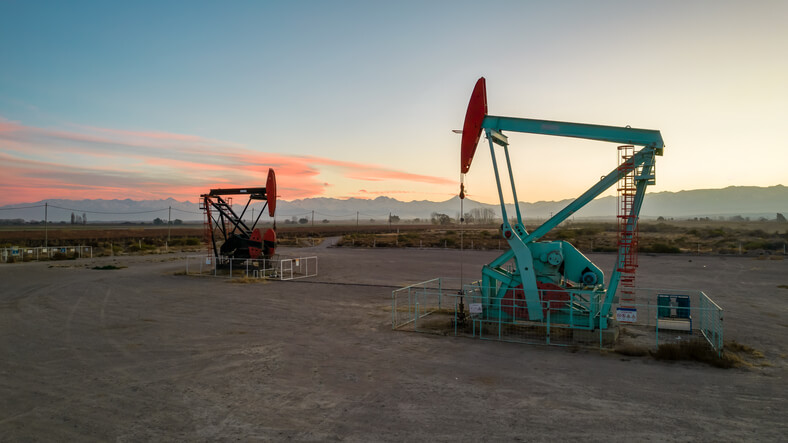
Oil rig drill bits are critical components in the oil and gas industry, enabling the extraction of valuable resources buried deep beneath the Earth’s surface. These specialized drilling tools are meticulously designed to endure the harsh conditions encountered during drilling operations on offshore and onshore rigs. But have you ever wondered what makes up an oil rig drill bit? In this blog, we will unravel the composition of these essential tools and explore the materials that contribute to their durability and effectiveness in the oil exploration process.


A Variety of Materials


1. Steel:

The primary material used in the construction of oil rig drill bits is high-strength steel. This steel is chosen for its exceptional durability, toughness, and resistance to wear and tear. Steel allows the drill bits to withstand the immense pressure, heat, and friction encountered while drilling through rock formations deep within the Earth. Moreover, the use of high-quality steel ensures that the drill bits can efficiently cut through hard and abrasive rocks, ensuring a more productive and efficient drilling process.


2. Tungsten Carbide Inserts:

Within the steel body of the drill bit, you’ll find strategically placed tungsten carbide inserts. Tungsten carbide is a composite material formed by combining tungsten and carbon through a sintering process. The result is an incredibly hard and robust material that exhibits excellent resistance to abrasion, making it perfect for the cutting edges of the drill bit. These inserts come in various shapes and sizes, tailored to the specific drilling needs, and are carefully positioned to provide the best cutting performance and longevity.


3. Diamond Cutters:

In some specialized drill bits used for particularly challenging drilling environments, diamond cutters are employed. These cutters consist of small, industrial-grade diamonds held in place by a matrix of tungsten carbide. Diamonds are renowned for their unparalleled hardness, allowing them to effectively cut through the toughest rocks with ease. The use of diamond cutters significantly enhances the drill bit’s efficiency and lifespan, making them ideal for extreme drilling conditions.


4. Matrix Materials:

Apart from steel, some drill bits employ a matrix material to hold the tungsten carbide inserts or diamond cutters in place. Common matrix materials include tungsten carbide powder mixed with a binder (usually cobalt) and powdered diamond mixed with a metal alloy. The matrix helps distribute the cutting forces evenly, ensuring that the inserts or cutters perform optimally during drilling.


5. Lubricants and Cooling Agents:

Drilling operations generate substantial heat due to friction between the drill bit and the rock formation. To prevent overheating and maintain the drill bit’s effectiveness, lubricants and cooling agents are used during drilling. These substances help reduce friction, dissipate heat, and prolong the life of the drill bit. Additionally, they assist in flushing out rock cuttings from the borehole, ensuring a smooth and uninterrupted drilling process.


6. PDC (Polycrystalline Diamond Compact) Drill Bits:

PDC drill bits are an advanced type of drill bit that incorporates synthetic diamonds known as polycrystalline diamond compacts. These are made by subjecting diamond particles and a binder material to high pressure and temperature, resulting in a diamond layer that covers the entire cutting surface. PDC drill bits offer exceptional performance in terms of speed, durability, and efficiency, and are widely used in various drilling operations.


7. Hybrid Drill Bits:

In recent years, hybrid drill bits have emerged, combining different materials to leverage the advantages of each. For instance, a hybrid bit may have steel as the body material for its strength and flexibility, while also incorporating diamond cutters or PDC elements for enhanced cutting capabilities. These hybrid designs are continually evolving to meet the demands of diverse drilling conditions and challenging formations.


Getting the Job Done


Oil rig drill bits are sophisticated and versatile tools that have significantly advanced the oil and gas industry. The combination of high-strength steel, tungsten carbide inserts, diamond cutters, and other innovative materials ensures the drill bits can efficiently penetrate the Earth’s crust, allowing for the extraction of valuable resources. Whether it’s traditional steel bits, PDC drill bits, or hybrid designs, the ongoing evolution of drilling technology continues to push the boundaries of what’s possible in the quest for extracting oil efficiently and sustainably.


At Trendon Bit Service Ltd, we supply customers with everything it takes to run a successful drilling operation, right from our headquarters in Calgary, Alberta. We manufacture, supply, and service PDC drill bits, Tricone drill bits, and reamers, so that you can depend on us for everything oil drilling. When it comes to Trendon, we pride ourselves in providing expertly constructed tools that last; our oil drilling bits are the highest quality in the market – and so are our oil rig bit maintenance services., because we want to ensure that your oil drilling bits are kept in top condition. At Trendon Bit Service Ltd, our staff will help you find the best oilfield drilling bits for your project – and fast! For quick, efficient, and expert service, call Trendon at 403-536-2770.
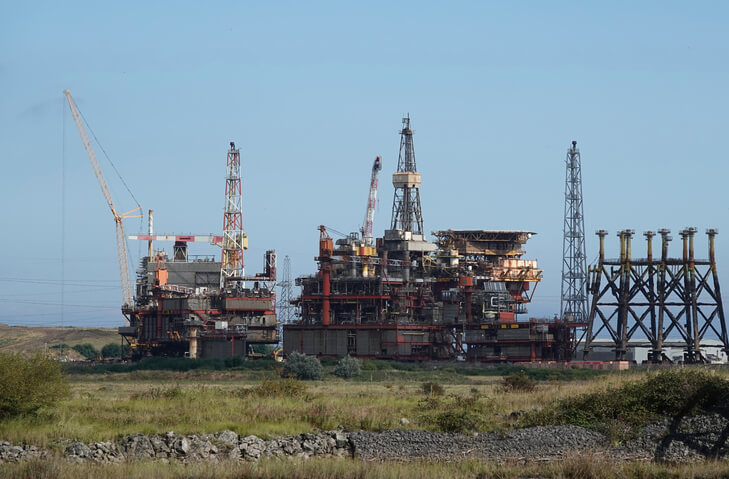
Selecting the appropriate oil rig drill bit is a critical decision that can significantly impact the success of your oil and gas project. With various drill bit types and configurations available, choosing the right one requires careful consideration of the project’s unique requirements and geological conditions. In this comprehensive guide, we will explore the key factors to consider when searching for the perfect oil rig drill bit for your specific project needs.


1. Understand Your Drilling Objectives:

Before diving into the technical aspects of drill bits, it is essential to clearly define your drilling objectives. Are you conducting an exploratory well to assess the presence of oil and gas reserves? Or is your project focused on optimizing production in an existing well? Different drilling objectives may necessitate distinct types of drill bits. For example, exploratory wells may benefit from versatile tricone drill bits, while directional drilling projects may require specialized directional drill bits.


2. Evaluate the Geological Formation:

The geological formation you will be drilling through plays a crucial role in determining the most suitable drill bit. Rock formations vary significantly, ranging from soft sedimentary rocks to hard and abrasive formations. Understanding the type of rock you will encounter helps in selecting the right cutting elements, whether it be diamond-enhanced PDC bits for softer formations or fixed cutter bits with durable tungsten carbide inserts for harder rock.


3. Consider the Drilling Environment:

Drilling environments can vary greatly, from onshore to offshore, shallow to deep wells, and even extreme temperatures. Each environment brings its own set of challenges, and the drill bit must be capable of withstanding these conditions. For offshore drilling, factors like cutter durability, resistance to corrosion, and stability become critical considerations. Be sure to choose a drill bit that can withstand the specific demands of your drilling environment.


4. Assess Drilling Speed and Efficiency:

Drilling speed and efficiency are essential factors to consider, as they directly impact project timelines and costs. PDC drill bits, known for their high penetration rates, are often preferred for fast drilling through soft to medium-hard formations. Tricone drill bits, with their versatility in handling various formations, strike a balance between speed and adaptability. Consider the drilling rate required for your project and select a drill bit that can meet your efficiency goals.


5. Factor in Well Trajectory and Directional Control:

If your project involves directional drilling or requires precise well trajectory control, choose directional drill bits that offer excellent steerability and stability. These specialized bits enable operators to navigate through complex reservoirs and reach multiple targets from a single drilling location. Directional drill bits are instrumental in maximizing oil and gas production and reducing the environmental footprint of drilling operations.


6. Examine Bit Durability and Lifespan:

Drill bit durability is a crucial consideration, particularly in projects that involve extended drilling operations or challenging formations. Long-lasting drill bits reduce downtime and the need for frequent replacements, contributing to cost-effectiveness. Opt for drill bits with high-quality materials and cutting elements that can withstand the rigors of drilling in your specific geological conditions.


7. Seek Expert Advice:

Choosing the right oil rig drill bit can be a complex process, especially for those new to the industry. Don’t hesitate to seek advice from drilling experts and experienced professionals who can provide valuable insights and recommendations based on your project’s unique requirements. Their expertise can help you make an informed decision that aligns with your drilling objectives and maximizes project success.


8. Test and Monitor Performance:

Once you have selected a drill bit, testing and monitoring its performance during drilling operations is essential. Regularly assess drilling parameters, bit wear, and penetration rates to ensure the chosen drill bit is meeting expectations. If needed, be open to making adjustments or trying alternative drill bits to optimize performance and achieve project goals.


Make the Right Selection for Optimal Results


Selecting the right oil rig drill bit for your project is a critical step toward successful drilling operations in the oil and gas industry. Consider your drilling objectives, geological formation, drilling environment, and desired drilling efficiency when making your decision. Factor in well trajectory and directional control requirements for complex projects, and prioritize durability and lifespan for long-lasting performance. Seeking advice from experts and monitoring drill bit performance during drilling operations will further ensure optimal results. By carefully evaluating these factors, you can confidently choose the perfect oil rig drill bit to achieve your project’s objectives efficiently and effectively.


At Trendon Bit Service Ltd, we supply customers with everything it takes to run a successful drilling operation, right from our headquarters in Calgary, Alberta. We manufacture, supply, and service PDC drill bits, Tricone drill bits, and reamers, so that you can depend on us for everything oil drilling. When it comes to Trendon, we pride ourselves in providing expertly constructed tools that last; our oil drilling bits are the highest quality in the market – and so are our oil rig bit maintenance services., because we want to ensure that your oil drilling bits are kept in top condition. At Trendon Bit Service Ltd, our staff will help you find the best oilfield drilling bits for your project – and fast! For quick, efficient, and expert service, call Trendon at 403-536-2770.

In the world of oil and gas exploration, drilling is a fundamental process that requires precision, efficiency, and adaptability. At the heart of this operation lies the oil rig drill bit, a specialized tool designed to cut, crush, and penetrate through various geological formations. These drill bits are available in a wide range of types and configurations, each tailored to specific tasks encountered during the drilling process. Let’s delve into the different uses of oil rig drill bits and understand their vital role in the oil and gas industry.


1. PDC Drill Bits:

Polycrystalline Diamond Compact (PDC) drill bits are one of the most common types used in oil and gas drilling operations. They are equipped with diamond cutters or diamond-enhanced elements, offering high durability and faster penetration rates. PDC drill bits are well-suited for drilling through soft to medium-hard rock formations, providing efficient performance during the initial phases of exploration and wellbore construction.


2. Tricone Drill Bits:

Tricone drill bits are versatile tools known for their ability to handle a wide range of drilling conditions. They consist of three rotating cones, each equipped with durable teeth or cutting elements. These bits are effective in drilling through various rock formations, from soft to extremely hard formations. Tricone drill bits are often used in both vertical and directional drilling applications, making them essential in optimizing well trajectory and maximizing oil and gas production.


3. Directional Drill Bits:

Directional drill bits are specifically designed for directional drilling, a technique used to reach multiple reservoirs from a single drilling location. These bits offer precise control over the wellbore’s direction, allowing operators to access hard-to-reach deposits, increase reservoir exposure, and optimize production. Directional drill bits are vital in extending the life of existing wells and reducing the environmental impact of drilling by reducing the number of drilling locations required.


4. Roller Cone Drill Bits:

Roller cone drill bits, also known as rock bits, are another commonly used type in the oil and gas industry. They consist of two or more cones with rows of steel teeth. These drill bits are highly effective in drilling through softer rock formations and are often used during the initial stages of well construction and exploration.


5. Fixed Cutter Drill Bits:

Fixed cutter drill bits, as the name suggests, do not have moving parts like tricone bits. Instead, they feature fixed cutting elements such as diamond cutters or tungsten carbide inserts. These bits excel in drilling through hard and abrasive formations, including sandstone, limestone, and shale. Fixed cutter drill bits are essential in more challenging drilling conditions where the durability and efficiency of the bit are paramount.


6. Diamond Drill Bits:

Diamond drill bits are at the cutting edge of drilling technology. They utilize industrial-grade diamonds as cutting elements, making them exceptionally durable and efficient in drilling through extremely hard rock formations, such as granite and basalt. Diamond drill bits are commonly used in deep drilling operations, mineral exploration, and geothermal energy projects.


7. Core Drill Bits:

Core drill bits are specialized tools used to obtain core samples from the subsurface. These cylindrical samples provide valuable insights into the geological composition of the rock layers and help in determining the presence of oil and gas reserves. Core drill bits are crucial in conducting geological surveys, resource assessments, and reservoir characterization.


8. Reaming Shells and Stabilizers:

In addition to various types of drill bits, reaming shells and stabilizers are vital accessories used in drilling operations. Reaming shells are attached to the outer surface of the core drill bit to ensure the integrity and stability of the drilled hole while retrieving core samples. Stabilizers, on the other hand, are tools that help maintain the wellbore’s trajectory and prevent deviation during drilling, ensuring precise well placement.


Incredible Technology for a Variety of Applications

Oil rig drill bits are indispensable tools in the oil and gas industry, each designed for specific drilling conditions and tasks. From PDC and tricone drill bits for initial exploration to directional drill bits for optimizing production, these specialized tools play a pivotal role in the efficient extraction of oil and gas reserves. By understanding the diverse applications of different drill bits, drilling operations can be optimized, leading to increased productivity and cost-effectiveness in the oil and gas exploration and production processes.

At Trendon Bit Service Ltd, we supply customers with everything it takes to run a successful drilling operation, right from our headquarters in Calgary, Alberta. We manufacture, supply, and service PDC drill bits, Tricone drill bits, and reamers, so that you can depend on us for everything oil drilling. When it comes to Trendon, we pride ourselves in providing expertly constructed tools that last; our oil drilling bits are the highest quality in the market – and so are our oil rig bit maintenance services., because we want to ensure that your oil drilling bits are kept in top condition. At Trendon Bit Service Ltd, our staff will help you find the best oilfield drilling bits for your project – and fast! For quick, efficient, and expert service, call Trendon at 403-536-2770.
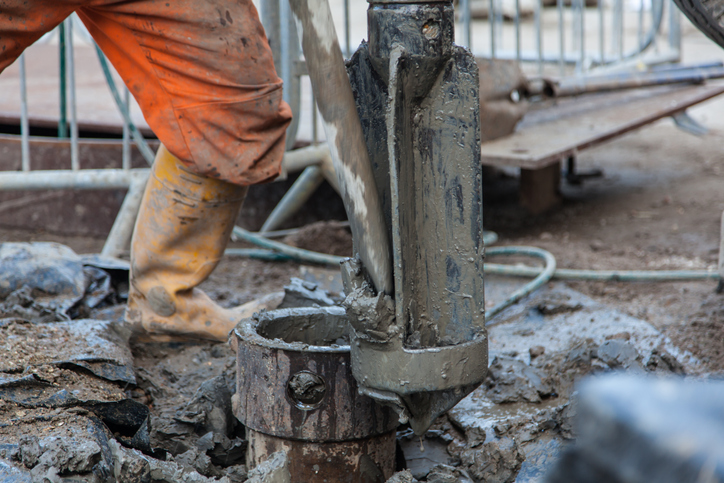
In the vast and resource-rich landscape of Canada, the exploration and extraction of oil remain crucial for the nation’s economy. The oil and gas industry is a significant player in the Canadian economy, and its success largely depends on the cutting-edge technology employed in the drilling process. Among the essential tools for this process are oil drilling bits – the indispensable components that facilitate the extraction of precious oil reserves buried deep beneath the Earth’s surface.


Oil drilling bits are essential tools that are designed to penetrate, crush, and break through rocks to access underground oil reservoirs. They come in various shapes, sizes, and materials, each specifically tailored for different drilling environments. These advanced drilling bits have revolutionized several industries, making operations more efficient, cost-effective, and environmentally friendly. Let’s delve into the top industries in Canada that heavily rely on oil drilling bits for their daily operations:


1. Oil and Gas Industry:

The most obvious sector benefiting from oil drilling bits is the oil and gas industry itself. As Canada possesses vast oil reserves, efficient drilling is essential to extract the maximum potential from these reserves. Advanced oil drilling bits play a crucial role in this process, enabling faster and more precise drilling, thereby reducing downtime and increasing productivity. In addition, modern oil drilling bits incorporate improved designs and materials, reducing wear and tear and extending their lifespan, leading to cost savings for drilling companies.


2. Mining Industry:

Beyond oil and gas, the mining industry is another major player that relies heavily on drilling technology. In various mining operations, such as coal, uranium, and precious metals, oil drilling bits are used for exploration, rock sampling, and extraction of resources. The mining industry benefits from the versatility of these bits, as they can be adapted to different geological conditions, ensuring more efficient and effective drilling.


3. Geothermal Energy Sector:

Canada’s commitment to renewable energy sources has led to significant growth in the geothermal energy sector. Geothermal drilling involves accessing natural heat reservoirs beneath the Earth’s surface, where oil drilling bits are employed to create boreholes for the extraction of steam or hot water. The precision and durability of these drilling bits are crucial in harnessing geothermal energy for power generation and heating applications.


4. Construction and Infrastructure:

In the construction industry, drilling is essential for various purposes, such as building foundations, bridges, tunnels, and other infrastructure projects. Oil drilling bits are utilized for drilling deep holes in rock or concrete, ensuring the stability and durability of structures. Advanced drilling bits make these construction projects more time-efficient and cost-effective, contributing to the growth and development of Canada’s infrastructure.


5. Environmental and Geotechnical Studies:

Oil drilling bits also find application in environmental and geotechnical studies. When conducting soil sampling, site investigation, or environmental assessments, drilling bits play a vital role in obtaining core samples for analysis. The accuracy and precision of these bits are crucial in determining potential environmental impacts and geotechnical conditions for various projects.


6. Water Well Drilling:

Access to clean and potable water is crucial for communities across Canada. Oil drilling bits are used in water well drilling to create boreholes that reach underground aquifers. Efficient drilling bits ensure a stable and continuous water supply, supporting agricultural, industrial, and residential needs.


7. Scientific Research and Exploration:

In scientific research and exploration missions, oil drilling bits are employed to investigate geological formations and ancient climates. By extracting core samples from various depths, researchers gain valuable insights into Earth’s history, climate change, and the potential for natural resource discoveries.


A Wide Variety of Sectors

In conclusion, oil drilling bits have revolutionized various industries in Canada, providing efficient and reliable drilling solutions. From the oil and gas sector to renewable energy, construction, and scientific research, these advanced drilling bits play a pivotal role in driving productivity and innovation. As technology continues to advance, we can expect even more sophisticated drilling bits to emerge, further enhancing the efficiency and sustainability of these industries while minimizing their environmental impact.


As Canada continues to lead in resource exploration and environmental stewardship, the evolution of oil drilling bits remains integral to the nation’s growth and development. These versatile tools continue to push boundaries, uncovering new possibilities in energy, infrastructure, and scientific frontiers, making Canada a true pioneer in the world of drilling technology.


At Trendon Bit Service Ltd, we supply customers with everything it takes to run a successful drilling operation, right from our headquarters in Calgary, Alberta. We manufacture, supply, and service PDC drill bits, Tricone drill bits, and reamers, so that you can depend on us for everything oil drilling. When it comes to Trendon, we pride ourselves in providing expertly constructed tools that last; our oil drilling bits are the highest quality in the market – and so are our oil rig bit maintenance services., because we want to ensure that your oil drilling bits are kept in top condition. At Trendon Bit Service Ltd, our staff will help you find the best oilfield drilling bits for your project – and fast! For quick, efficient, and expert service, call Trendon at 403-536-2770.
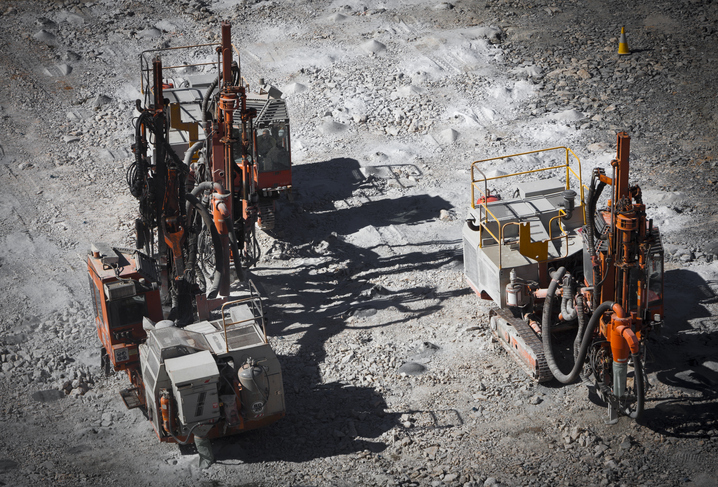
Oil drilling is a complex process, and the type of oilfield drill bit used can make or break the efficiency and success of the operation. There are many different types of oil drilling bits that each have their own unique uses and benefits. However, from bonded synthetic diamonds to debris removal, there’s a tool out there for every operation in the oil field.

If you’re unsure what kind of oil drill bit you need, or what each specially designed tool can do, then read on. In this blog, we will discuss the different types of drilling rig bits and how they are used in field operations.

Tricone Bits

Tricone bits are some of the most used drill bits on the market today. They are designed to cut through a variety of materials, including shale, limestone, gypsum, sandstone, anhydrite, claystone, dolomite, and salt. They can also be used to drill through hard formations such as granite or basalt. Tricone bits are available in a few different designs, including mill tooth bits and tungsten carbide inserts (TCI) bits. Mill tooth drill bits are designed for soft to medium hardness formations, while TCI bits utilize tungsten carbide inserts for improved wear resistance and durability.

PDC Bits

Polycrystalline diamond compact (PDC) bits are one of the most efficient types of drill bits available today. They feature a layer of synthetic diamonds bonded to a matrix body which is then laser-etched into blades that cut through rock with ease. PDC comes in steel and matrix drill bits, and can be used to drill through shale formations quickly and efficiently. The diamond-cutting elements provide superior wear resistance compared to traditional steel-cutting elements while also providing improved penetration rates due to their higher level of hardness.

Reamers

Reamers are a type of oil drill bit that is used to enlarge an existing hole. They are also used to smooth the sides of the hole, which can become uneven due to the drilling process. Reamers typically have a cutting edge on the outside and a series of flutes on the inside. The flutes help to remove debris from the hole as the reamer is rotated. This type of oil drill bit is often used in conjunction with other types of oil drill bits, such as drill pipes, in order to create a smooth, uninterrupted borehole.

Final Thoughts

No matter what type of oil drilling you’re doing, having access to quality tools is essential for success. From tricone bits designed for softer materials like sandstone or shale all the way up to reamers for assistance with removing debris– there’s an oil drilling bit out there that’s perfect for every job! Whether you’re looking for maximum efficiency or just want something reliable that does its job day in and day out – investing in quality tools is always worth it!

At Trendon Bit Service Ltd, we supply customers with everything it takes to run a successful drilling operation, right from our headquarters in Calgary, Alberta. We manufacture, supply, and service PDC drill bits, Tricone drill bits, and reamers, so that you can depend on us for everything oil drilling. When it comes to Trendon, we pride ourselves in providing expertly constructed tools that last; our oil drilling bits are the highest quality in the market – and so are our oil rig bit maintenance services., because we want to ensure that your oil drilling bits are kept in top condition. At Trendon Bit Service Ltd, our staff will help you find the best oilfield drilling bits for your project – and fast! For quick, efficient, and expert service, call Trendon at 403-536-2770.
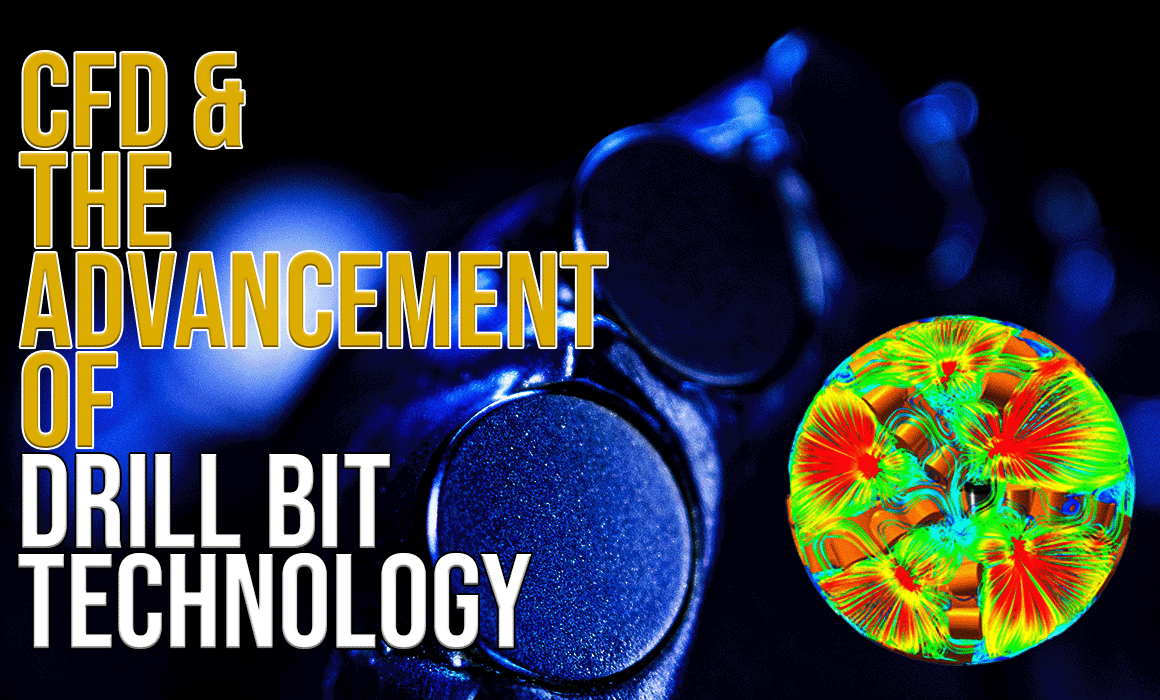
Today we are going to talk about Computational Fluid Dynamics (CFD) in PDC Drill Bit Design.


The concept of CFD has been around for a long time, since 1922.


The basis of modern CFD was created by Lewis Fry Richardson to help with weather forecasting. A brief history of CFD and basic introduction to it is provided in a blog article by Radu Crahmalic from SIMSCALE.


For anyone unfamiliar with CFD, the technology is utilized in many different industries.


Marine engineers can use CFD to prevent cavitation when developing products that move through liquids.


Aerospace engineers perform simulations to model turbulence to enable planes to better handle different weather patterns. This saves serious cash compared to real life building and testing.


In construction, architects and civil engineers perform simulations with CFD to ensure buildings and other structures can mitigate wind loads before they break ground.


In the drilling world, CFD has been used to rapidly advance products and technology. So much so, that CFD has been disrupting the design of drill bits over the last few years for the better.


So, how does CFD relate to the drill bits used in oil & gas, geothermal, helium, potash, and mining wells?


Well, more than you may think.


Firstly, a drill bit has a few key components. So, let’s dive into these in the following sections.

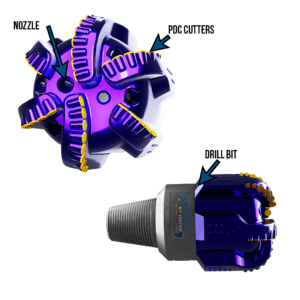
Drill Bit PDC Cutters

Polycrystalline Diamond Composite (PDC) cutters are the main point of contact for a drill bit. PDC bits remove the rock mainly by shearing.


The PDC cutters are exposed to a lot of heating and cooling down the well, a very challenging environment.


PDC cutters that have lower thermal degradation and more thermal stability generally achieve higher ROP and increased wear resistance. So, optimizing the cutter is important.

Drill Bit Nozzles

Drill bit nozzles help clear the cutting area and cool the Polycrystalline Diamond Composite (PDC) cutters.


Effective placement of these nozzles along with the angle they are set at (Trendon Article: Depth of Cut) plays a critical role on how efficient the drill bit performs.


Fluid channels also complement nozzle placement to improve the clearing of cuttings.

Drill Bit General Design

The drill bit is the main body that the PDC cutters and nozzles are built into.


Efficient cutting removal is determined by several factors that involve complicated multiphase flow behavior.


Ensuring that a PDC drill bit has the most accurate channeling allows flow performance to have a positive impact on the cuttings transport efficiency. This level of efficiency is essential at all wellbore stages. This is because the flow can be impacted in vertical, deviated, or horizontal angles of a wellbore stage.

How does CFD help with PDC Drill Bit Design and Optimization?

Before CFD was used in drill bit design, research and development relied on manufacturing each variation of drill bit and testing it out in a real-life scenario. This is costly and takes longer to optimize a design for a certain application.


CFD drill bit simulations can be used to test many drill bit design variations such as:


  • Nozzle placements and angle.
  • Optimization of fluid channels.
  • Test the thermal effects from drilling on PDC cutters of a drill bit, especially heating and cooling rates.
  • The general design of a PDC drill bit to optimize cutting removal performance.


Using CFD technology and simulations in the drilling industry has allowed for drill bit improvements to reach the marketplace faster and make products lower in cost.

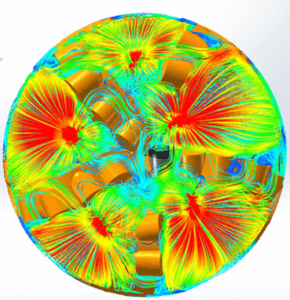
CFD Flow Patterns for PDC Drill Bit

The above image shows the flow patterns across the PDC drill bit. The areas with the red colour have a higher velocity, pressure drop and forces. The lower velocities are shown by the orange, yellow then green colours.


Using readily available and consistently proven technology like CFD to develop proof of concept models is essential in evolving the drilling industry.


These tools also help with the design of drill bits, helping you address complex and high-risk scenarios safely and confidently. Something that was inherently risky in terms of time and costs before CFD was used.


These simulations save thousands of dollars, and greatly decreases the turnaround time to take a new design to market.

It’s Time to Run Canadian, Eh?

Trendon Bit Service can save you time and money through,


  • Faster ROP,
  • Bits that last, and
  • Our experience on your team.


Call us at: +1 403 536 2770,


Email us at: sales@trendon.ca, to save time and money on your project.


Trendon Bit Service


Performance. Durability. Control.

Well Stimulation is a technique oil companies use to maximize the volume of oil and gas that can be retrieved from a drilled well.

What Are the Most Common Methods of Well Stimulation?

The most common methods of well stimulation are:


  • acid injection
  • hydraulic fracturing, and
  • explosives.


All forms of well stimulation help to open channels in the formation, so that oil and gas can flow to the wellbore more easily.

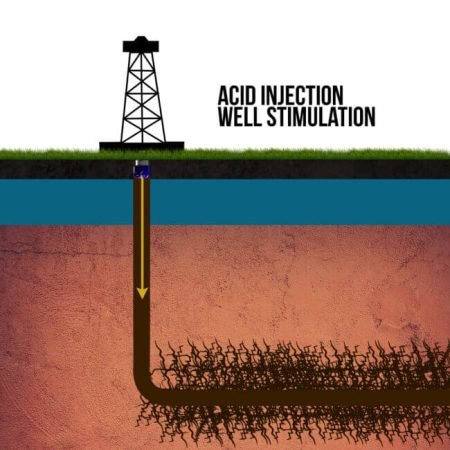
Acid Injection Well Stimulation

Acid injection is the oldest form of well stimulation from more than 100 years ago.


Acid stimulation is where an acid is pumped down hole under pressure.


The acid dissolves minerals and calcareous deposits that would otherwise impede hydrocarbon flow.


The porosity within the formation is enlarged, allowing for increased fluid passage.


The most common type of acid used is hydrochloric acid (HCl).


Careful consideration must be taken to not damage the steel casing and well equipment when using acid. After the acid job is complete, it is removed from the well by a process called backflush.

Well-Stimulation-Acid

Hydraulic Fracturing Well Stimulation

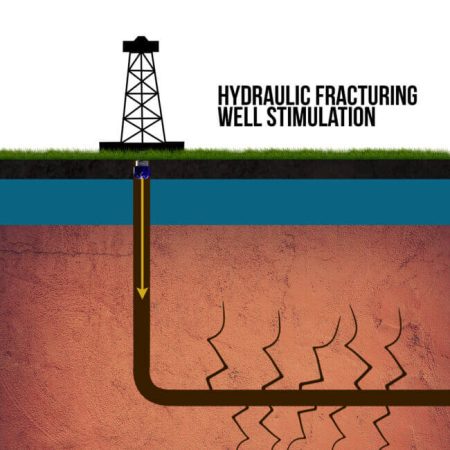
Hydraulic fracturing well stimulation requires a fluid to be pumped down hole at extremely high pressures.


The fluid pressure forces the producing formation to fracture, crack, and break.


These fractures allow hydrocarbons to easily pass to the wellbore.


When a well is “fracked”, and the hydraulic fluid pressure is reduced, the cracks tend to close and return to their original state.


To maximize oil production a proppant or sand is pumped down hole while the well is being fracked.


The proppant makes its way into these tiny fractures within the formation.


As the pressure is reduced, the fractures are held open by the proppant, which is now within the fractures.


The hydrocarbons now have a much easier path to the wellbore.


Some research shows that production can increase 30 times when hydraulic fracturing has been used.


Retired wells can be fracked to revitalize and increase production, giving them a second life before they are decommissioned.

Well-Stimulation-Hydraulic

Explosive Well Stimulation

Explosive well stimulation requires the use of chemical explosives.


This is commonly known as well shooting.


Explosives detonated downhole create an energized pressure wave which travels through the fluid in the well.


The fluid moves into and breaks up the formation.


Explosive is the simplest form but has been proven the be the least accurate and effective of all methods.


It can also cause localized damage to the well if not executed properly.

It’s Time to Run Canadian, Eh?

Trendon Bit Service can save you time and money through,


  • Faster ROP,
  • Bits that last, and
  • Our experience on your team.


Call us at: +1 403 536 2770,


Email us at: sales@trendon.ca, to save time and money on your project.


Trendon Bit Service


Performance. Durability. Control.